Outdoor classrooms are transforming the way children learn across the UK. As schools increasingly recognise the value of outdoor learning environments, more primary schools and nurseries are investing in dedicated outdoor classroom spaces that complement traditional indoor teaching areas.
Recent research from UCL’s Institute of Education (November 2024) established robust evidence of strong links between experiential learning – which includes outdoor learning – and children’s science and maths performance, as well as cross-curricular skills that aid learning. With growing concerns about screen time and children’s disconnection from nature, outdoor classrooms offer a practical solution that addresses multiple educational objectives simultaneously.
From simple timber canopies to fully enclosed outdoor lodges for playgrounds, Schoolscapes UK offers a comprehensive range of outdoor classroom solutions designed specifically for educational settings. Whether you’re a small nursery or a large primary school, outdoor classrooms provide versatile, cost-effective solutions that deliver benefits across every aspect of school life.
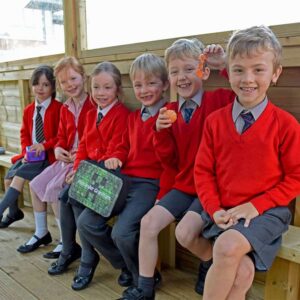
When children learn outdoors, they’re naturally more engaged with their lessons, leading to better retention of information and improved understanding of complex concepts.
| Learning Area | Outdoor Classroom Benefit |
|---|---|
| Science | Hands-on exploration of real ecosystems and natural processes |
| Mathematics | Practical measuring, calculating areas and problem solving |
| Literacy | Creative writing inspired by nature observations |
| Geography | Direct study of weather, landscapes, and environmental features |
The outdoor environment provides hands-on learning opportunities that bring abstract concepts to life. Research shows that outdoor learning and multi-purpose playground equipment help children develop better problem-solving skills, enhanced critical thinking abilities, and greater curiosity.
Teachers report that even reluctant learners often show increased motivation when lessons move outside, with the change of environment helping children approach difficult subjects from a fresh perspective.
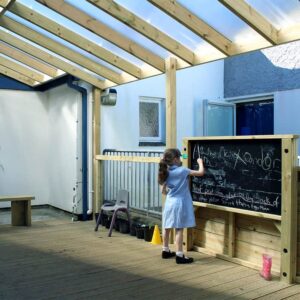
Outdoor classrooms and timber shelters naturally encourage more physical activity throughout the school day, with children benefiting from fresh air, natural light, and the opportunity to move more freely.
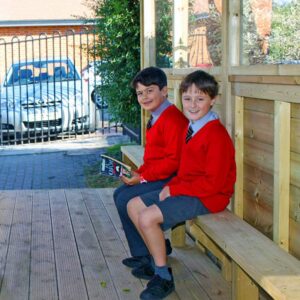
Outdoor classrooms provide a calmer, less overwhelming environment than busy indoor classrooms, helping children manage stress and anxiety more effectively.
Mental Wellbeing Benefits:
Natural environments reduce stress and promote feelings of calm. For children who find indoor classrooms overstimulating, an outdoor learning space offers a gentler setting without the sensory overload of bright lights, echoing sounds, and confined spaces.
Teachers report that children return to indoor lessons feeling more settled and ready to learn after outdoor sessions, with the connection to nature building resilience and improving overall emotional wellbeing.
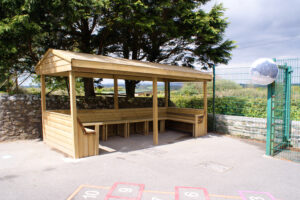
Purpose-built outdoor classrooms provide shelter and shade, enabling outdoor learning regardless of typical British weather conditions.
| Season | Challenge | Outdoor Classroom Solutions |
|---|---|---|
| Spring | Unpredictable showers | Quick access to shelter means lessons continue uninterrupted |
| Summer | Intense sun and UV | Shaded structures protect children from harmful UV rays |
| Autumn | Wind and leaves | Covered spaces allow observation of seasonal changes in comfort |
| Winter | Cold, rain, wind | Watertight roofs and optional side cladding provide protection |
Unlike ad-hoc outdoor activities that must be cancelled due to rain, a covered outdoor classroom ensures learning can continue throughout the year. Schools can reliably schedule outdoor lessons into their timetables, with teachers confidently planning activities knowing their preparations won’t be wasted due to weather.
The consistent availability maximises the academic, physical, and mental health benefits of outdoor learning.
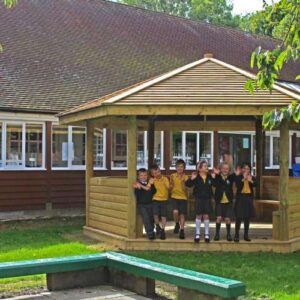
Outdoor classrooms naturally accommodate a wider range of learning styles than traditional indoor settings.
| Learning Style | How Outdoor Classrooms Can Help |
|---|---|
| Kinaesthetic | Space for movement and hands-on exploration |
| Visual | Rich natural stimuli and real-world observations |
| Auditory | Natural sounds and acoustic for listening activities |
| Read/write | Varied contexts for recording observations |
For children with Special Educational Needs (SEN) and Disabilities, outdoor classrooms can be transformative:
The flexibility of outdoor classrooms means teachers can adapt activities to suit individual needs more easily, with children who struggle with traditional classroom constraints often flourishing in outdoor learning environments.
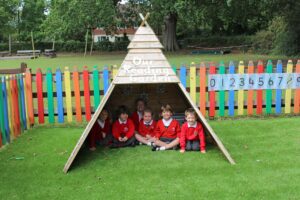
Outdoor classrooms provide unparalleled opportunities for environmental education. When children learn in natural settings, they develop a deeper understanding of and connection to the environment.
Environmental Learning Opportunities:
Schools can integrate composting systems, rainwater harvesting, and wildlife-friendly planting into outdoor learning spaces, demonstrating environmental principles in action. Children learn that their actions have real environmental impacts and can make positive contributions to ecological health.
This hands-on environmental education supports curriculum requirements across science, geography, and citizenship, whilst building knowledge that will serve children throughout their lives.
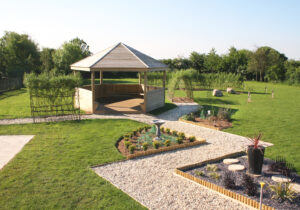
When schools need additional learning space, outdoor classrooms represent a significantly more cost-effective solution than traditional building expansions.
| Solution | Approximate Cost | Installation Time | Planning Permission |
|---|---|---|---|
| Indoor classroom extension | £50,000-£150,000 + | 6-12 months | Usually repaired |
| Outdoor classroom | £3,000-£15,000 | 1-4 weeks | Often not required |
Most outdoor classroom structures fall under permitted development rights and don’t require planning permission, particularly if they’re under certain height restrictions. However, it’s advisable to check with your local planning department.
Yes, quality outdoor classrooms are designed for year-round use in British weather. With watertight roofs and optional side cladding, they provide comfortable learning spaces even during winter months.
Virtually all curriculum subjects can be delivered effectively outdoors. Science, geography, and PE have obvious connections, but English, maths, art, and history can all benefit from outdoor learning approaches.
Outdoor classrooms require minimal maintenance. Annual checks of the roof and structure, reapplying timber treatment every 2-3 years, and keeping drainage clear are typically sufficient. Quality structures can last 15-25 years with basic upkeep.
Absolutely. Outdoor classrooms are particularly beneficial for early years settings, supporting the EYFS framework’s emphasis on outdoor learning and providing covered space for messy play, physical development, and free-flow learning throughout the year.
The benefits of outdoor classrooms for primary schools extend far beyond simply providing additional space. From enhanced academic performance and improved physical health to better mental wellbeing and environmental awareness, outdoor learning environments support children’s development across all areas.
Ready to explore outdoor classroom options for your school? Contact Schoolscapes UK today to discuss how an outdoor classroom could transform learning at your school.


